
Local Economy Under Siege: Ada Tomato Farmers Demand MoFA Audit Following Unprecedented 2026 Seedling Failures

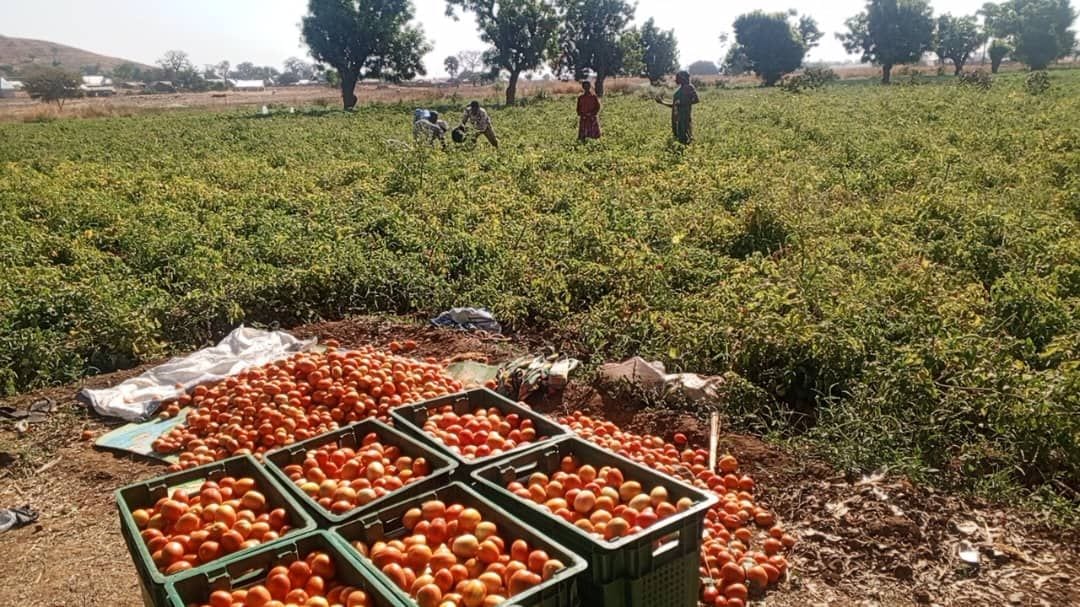
At the start of the 2026 agricultural season, primary producers across the Ada East and Ada West districts of the Greater Accra Region were expected to make significant contributions to national food security and regional commerce. In these predominantly agrarian communities, an estimated 90 percent of residents, including public sector personnel, rely on cultivation to supplement household incomes and supply local trade networks. While seasonal farming offers secondary revenue for salaried workers, it represents the exclusive livelihood for many families who lack alternative commercial opportunities.
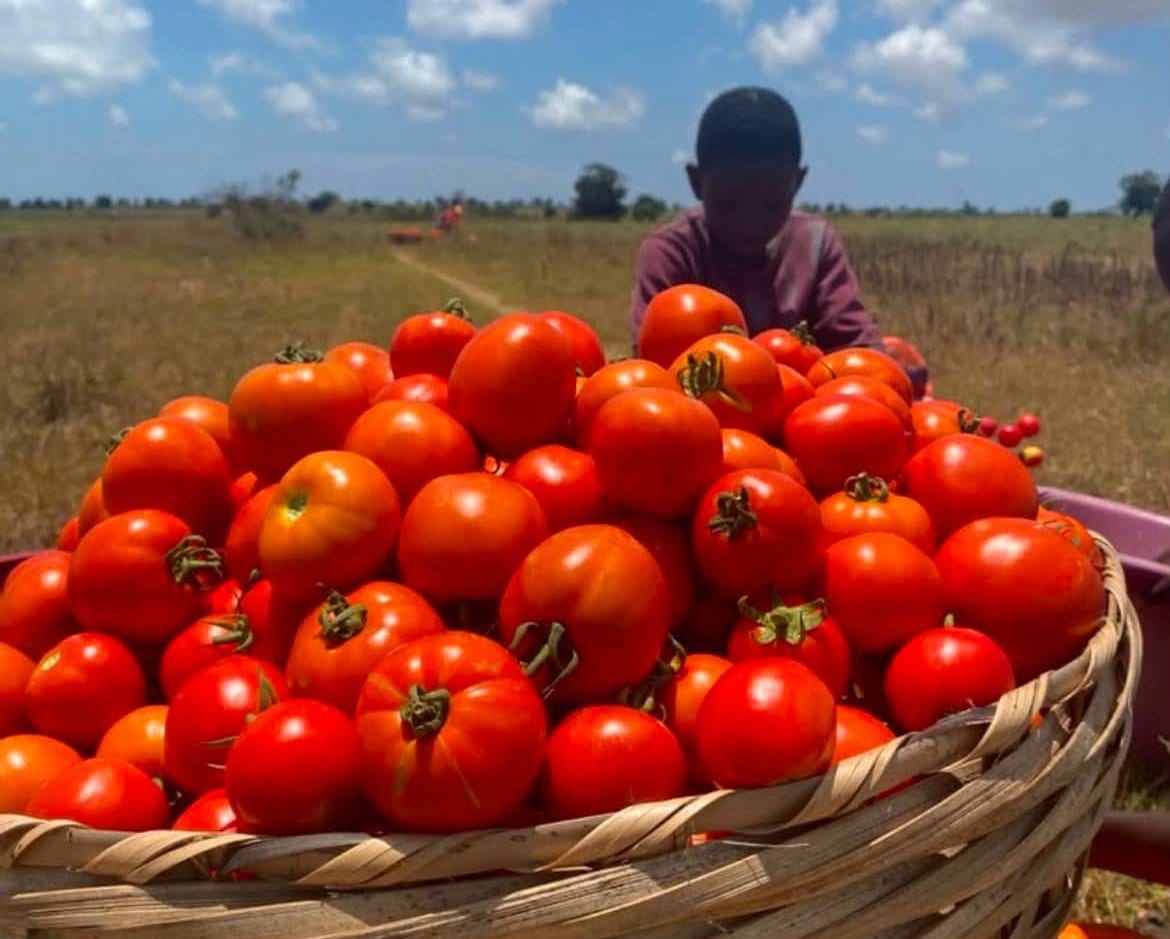
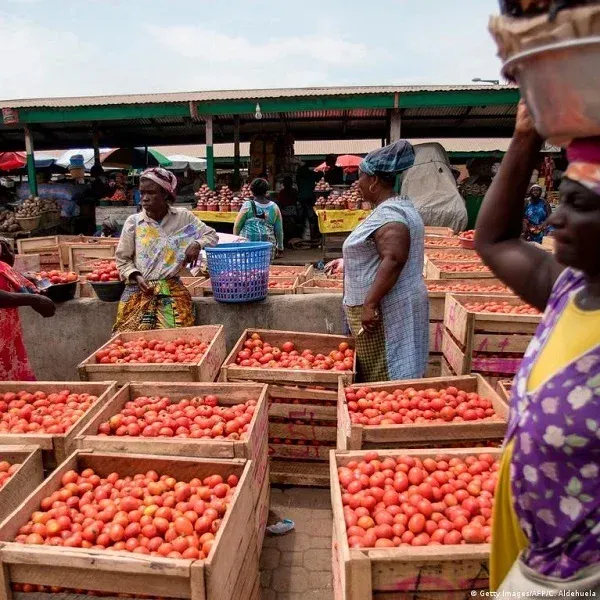
Local agricultural output centers primarily on tomatoes, watermelons, onions, peppers, and cassava. However, each cultivation cycle exposes farmers to systemic vulnerabilities, including heightened financial constraints, erratic rainfall patterns, pest infestations, inadequate state intervention, and volatile commodity pricing. Despite these persistent headwinds, primary producers have historically shown resilience, delivering substantial tomato harvests to meet domestic demand.
Unprecedented crop failure threatens livelihoods
As the 2026 harvesting cycle approaches its conclusion, local producers are confronting unprecedented economic losses. The defining crisis of the current season is a widespread, multi-district crop failure that farmers describe as unprecedented in scale.
Field investigations and consultations with affected producers reveal that vast acreage of tomato crops withered shortly after transplantation, leaving farming households facing severe financial distress. Consequently, substantial investments in certified seeds, agricultural inputs, and manual labor have been largely wiped out, undermining the economic stability of the enclave.
In response to the crisis, affected farmers across the Ada East and Ada West districts are calling on government authorities to conduct a formal inquiry into the failure of the transplanting stock. Community representatives have formally appealed to the Minister of Food and Agriculture, Mr. Eric Opoku, urging the immediate deployment of a technical delegation comprising crop scientists, certified seed inspectors, and plant pathologists to conduct comprehensive field assessments and determine the root causes of the die-off.
Furthermore, stakeholders are demanding a rigorous audit of the supply chain and quality certification standards of the commercial seed stock distributed for the 2026 season to prevent future occurrences and protect agricultural livelihoods.
Expanding on the situation, Mr. Bernard Mawutor Ametepe, a local geographer representing several of the affected agrarian enclaves, has noted that the premature die-off of the transplanting stock has introduced severe uncertainty regarding the overall viability of the 2026 farming season. Mr. Ametepe emphasized that primary producers strictly adhered to established agronomic guidelines, a factor that strongly points toward underlying deficiencies in seed viability or health rather than poor cultivation practices.
The impact of the crop damage spans both smallholder and commercial operations across critical agricultural hubs, including Kasseh, Koluedor, Tehey, Luhour, and Dorgobom. According to Mr. Ametepe, the magnitude of these losses carries catastrophic financial implications, particularly for producers who financed their operations through external debt. "To finance the 2026 planting season, many farmers secured credit facilities from local rural banks and microfinance institutions. With their initial investments in seeds, chemical inputs, and manual labor entirely lost, producers now face immediate financial distress and long-term debt accumulation."
He has further warned that unmitigated crop failures pose a direct threat to household revenue streams, regional food security, and the stability of the national tomato supply chain. In the long term, recurring financial losses risk disincentivizing youth participation in agricultural ventures, thereby threatening future sectoral productivity and rural economic development.
Mr. Ametepe observed that concerns surrounding tomato seed quality are not unprecedented, having reportedly persisted across parts of the enclave for nearly 15 years. This recurring pattern highlights the critical need for a thorough institutional audit to identify and rectify chronic vulnerabilities within the commercial seed distribution network. Consequently, stakeholders are appealing to the Ministry of Food and Agriculture (MoFA) to initiate a multi-stakeholder investigation in partnership with accredited seed distributors, agro-dealers, the Ada Tomato Farmers Association, and local government representatives. The objective of this inquiry would be to trace the distribution chain of the compromised seeds and verify whether quality-control protocols were breached.
Representative communities have pledged full cooperation with state investigators, offering direct field access and operational records to assist authorities in pinpointing the root cause of the seedling mortality. Stakeholders maintain that swift regulatory intervention remains imperative to safeguard farming livelihoods and prevent further economic attrition across the two districts.
Emerging Security Threats:
Crop theft has also surges amid harvest season compounding the hardships brought on by widespread seedling failures, aggrieved producers in the Ada enclave are now confronting a new operational challenge at the onset of the primary harvest season: an uptick in farm produce theft. In response to rising reports of stolen crops driven by favorable market prices, agricultural stakeholders have advised tomato farmers in Ada, particularly those operating within the Koluedor farming enclave in the Ada West District, to implement heightened security measures across their holdings.
According to local observers, unauthorized individuals have been spotted navigating farms during early morning and late-night hours. Operating under the cover of darkness with flashlights, these individuals selectively harvest ripe produce for unauthorized resale in local markets. This surge in theft presents a double jeopardy for primary producers who are already recovering from severe yield reductions caused by persistent heavy rainfall earlier in the season.
In an interview, Mr. Daniel Kitcher, a prominent tomato farmer in Koluedor, affirmed that local producers are prepared to adopt additional protective measures to safeguard their fields, characterizing the thefts as an unbearable threat to their economic survival.
Statement from Local Producer:
"Farmers have committed substantial capital, time, and physical labor into cultivating their crops under extremely difficult environmental conditions. We cannot tolerate the expropriation of our remaining yields by individuals seeking unauthorized profit at the expense of our livelihoods."
To counter the growing threat, Mr. Kitcher appealed for enhanced community-level vigilance and organized collaboration among local producers. He urged residents across agricultural communities to promptly report any suspicious activity, particularly during non-operational night and early-morning hours to Assembly Members, Farmer Welfare Committees, traditional leaders, or the Ghana Police Service.
Stakeholders maintain that proactive community surveillance and swift reporting to law enforcement remain essential strategies to protect capital investments, deter illicit harvesting, and secure the region's overall tomato production.
Financial Exploitation: Intermediary Misrepresentation and Unpaid Balances
Adding to the huge challenges of crop theft and seedling failure, primary producers in the region are now confronting severe trade-related financial losses due to predatory practices by produce buyers and unauthorized intermediaries.
Farmers in Koluedor, located within the Ada West District, have initiated a public search to locate a tomato buyer identified as Madam Bernice Adjoba Arthur. According to formal allegations, Madam Arthur, acting in collusion with a local facilitator, absconded with nine baskets of tomatoes belonging to a local producer without settling the full contractual sum, leaving an unpaid balance exceeding GH₵7,000.
The incident has triggered widespread outrage among regional producers, prompting urgent calls for institutional safeguards and stricter oversight of commercial transactions between farmers and produce buyers. Affected stakeholders have formally reported the case to Mr. Francis Adibuer Baako, the Assembly Member for the Koluedor Electoral Area. According to the primary complainant, a local farmer identified as Mr. Ebenezer, the transaction commenced on Sunday, August 29, 2026, when an intermediary identified as Harrison introduced Madam Arthur to collect nine baskets of tomatoes. At the time of delivery, the agreed market rate stood at GH₵2,000 per basket, bringing the total expected payout to GH₵18,000.
Mr. Ebenezer reported that late into the evening on the day of collection, Harrison contacted him to confirm that Madam Arthur had taken delivery of the produce and committed to transferring the full payment the following day, Monday. However, repeated attempts by the seller to retrieve the funds between Monday and Thursday proved unsuccessful. Following intense pressure and threats of legal action, Harrison remitted a partial payment of GH₵11,000 on Friday, September 4, 2026, delivered through his daughter to Mr. Ebenezer's mother-in-law.
Unilateral Price Depressions and Unreachable Parties Upon delivering the partial remittance, Harrison claimed that Madam Arthur had unilaterally reduced the purchase price from GH₵1,700 per basket, promising to settle the remaining deficit at an unspecified future date.
Local producers contend that this tactic is part of a broader, systemic scheme routinely employed by informal intermediaries (“agenda boys”). Farmers allege these agents deliberately misrepresent purchase agreements to artificially depress primary producer prices while pocketing the surplus margins for personal enrichment.
As of September 7, 2026, the remaining balance of GH₵7,000 remains unpaid. Furthermore, both Harrison and Madam Bernice Adjoba Arthur have rendered themselves completely unreachable, ignoring repeated phone calls and messages from the aggrieved parties. "It has been over a week since Harrison facilitated Madam Adjoba's receipt of our nine baskets of tomatoes, which were priced at GH₵2,000 per unit as of Sunday, August 29, 2026. To date, Harrison refuses to answer calls or messages, and Madam Arthur remains similarly unresponsive. Should the remaining balance not be settled, we intend to formally report the matter to law enforcement and initiate legal proceedings against Harrison for fraud, deceit, and misrepresentation.
“We maintain our stance on the contracted rate of GH₵2,000 per basket, rejecting the unilateral reduction to GH₵1,700, a delay that has already caused us to incur penalties on loan defaults due to non-payment” This incident has heightened concerns among local agricultural producers regarding predatory buyer practices, which threaten to undermine trust within the supply chain. Stakeholders are advocating for formal transaction documentation mechanisms for bulk produce to ensure buyer accountability and contractual compliance.
Concurrently, reports indicate systemic market manipulation within the Koluedor enclave. It is alleged that intermediary agents are colluding with produce buyers to suppress local tomato prices. These agents reportedly incentivize buyers to source produce from the Volta Region, where lower prices and smaller container sizes prevail, thereby artificially engineering local container shortages in Ada to force farmers into accepting reduced rates. Observers note that these intermediaries routinely charge buyers higher rates while underpaying primary producers, pocketing the surplus margin.
In response, local farmers are urging Municipal Assemblies and Unit Committee members to enact rigorous regulatory measures to restrict predatory intermediary activity and safeguard farmers' livelihoods, warning that failure to intervene may compel producers to address these issues independently.
Comments · 1
Join the conversation. Please keep it respectful.
Siameh Muller TsatsuGuest
There is an urgent need for weighing scales and prices determined by weight equivalence. Even though the container could still be the basket( plastic one) or the "Kusii"(the cane or palm leave, woven one). These containers above should be of average sizes which can contain a certain MAXIMUM WEIGHT appropriate for easy transportation from the farm to the farm gate and subsequently to the market, any where in the country. Let us be mindful of the EXCESSIVE STRENGTH needed by individuals to lift the baskets, full of the product (in this case Tomatoes) onto the trucks, motor bikes(aboboyas), motorki(tricycles) from the farms to the farm gate market under the BEEN TREES by the roadside and other places along road at Koluedor. Then the loading of the trucks and urvan busses to the big markets in the cities of Accra, Team, Ashiama, Takoradi, and elsewhere like Dodowa. We should all be seriously concern about the long term negative health problems associated with lifting of these weights at these youthful ages.