
Ghana Applies to Join BRICS Economic: Cabinet Approves Historic Bid with India's Backing

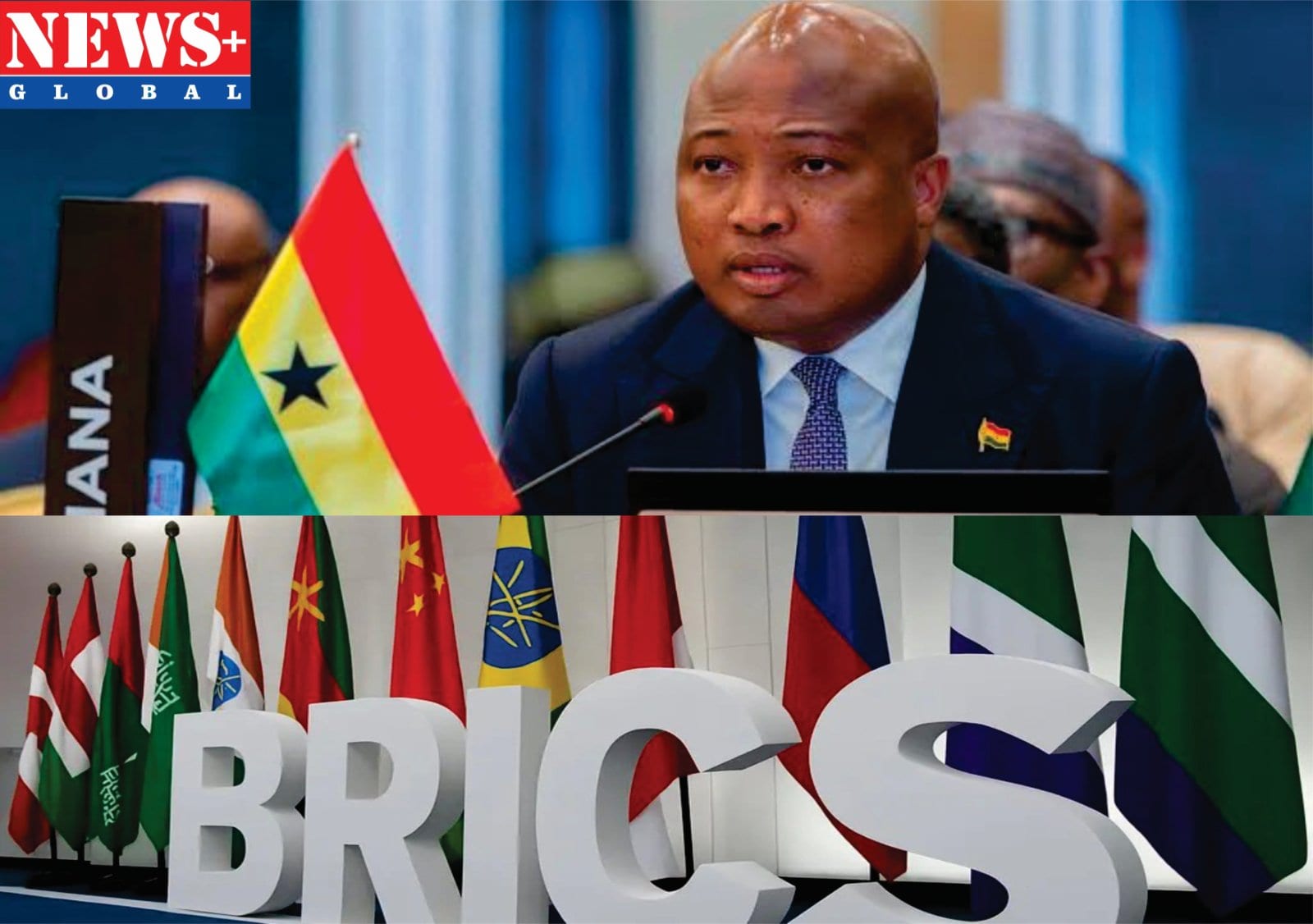
Ghana has resolved to seek to join the BRICS economic bloc. The Foreign Affairs Minister, Hon. Samuel Okudzeto Ablakwa, on Tuesday, October 6, 2026 said that the Cabinet, under the leadership of President John Dramani Mahama, has approved his application to join the intergovernmental organization, in a bold move by the West African nation.
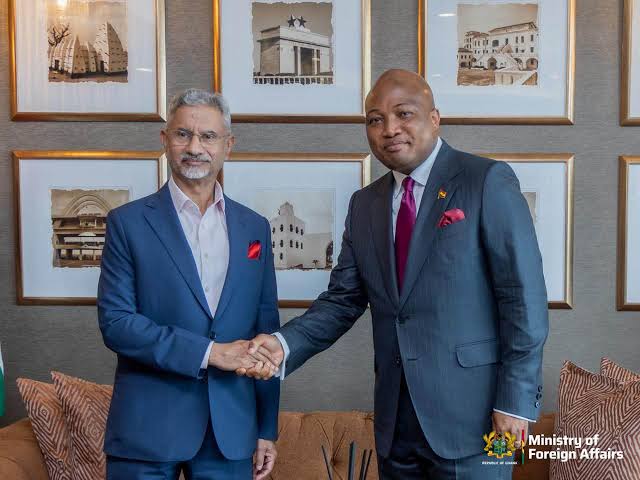
The decision was formally disclosed during the high-profile official visit by India’s External Affairs Minister, Dr Subrahmanyam Jaishankar, to Ghana.
Minister Ablakwa said he considered India to be a key ally in the task of accessing the resources of the expanding intergovernmental grouping.
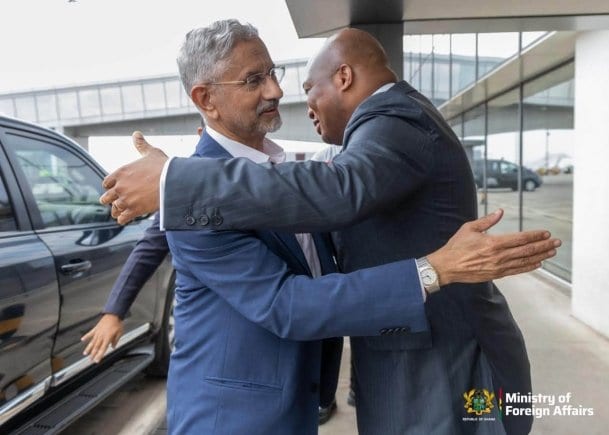
“We have sought India’s support in the application process and have received extremely favorable signals from them,” he said.
The Foreign Minister said that the choice to join the alliance was a key element of President Mahama’s ‘New Economy’ economic blueprint, which is based on seven pillars of action – including transforming the nation from one of low-growth to high-impact.
By pursuing a foreign policy that diversifies its traditional partners, Ghana will be able to access alternative financial networks and develop equal partnerships with emerging powers.
Reflecting on the geopolitical significance of the decision, Ablakwa said the decision to join BRICS would greatly enhance the country’s economic options and trade base, enabling it to deepen operational synergy in the Global South and optimize South-South cooperation at a time when Western financial priorities are being reoriented.
“There is a strong historical precedent for Ghana engaging with the existing membership of the bloc, including Brazil, Russia, India, China, and South Africa, as well as the UAE and Saudi Arabia, who all have embassies in Accra,” he said.
The talks held between Ablakwa and his counterpart Jaishankar led to a series of bilateral achievements, including the signing of two Memoranda of Understanding (MoUs) relating to joint research and structural training in agricultural modernization, science, technology, and biodiversity.
The ministers also identified areas for deepening bilateral cooperation ventures in heavy industry, defense, and digital frameworks.
The ministers discussed cooperation in railway development, pharmaceuticals, and information and communications technology (ICT). Hon. Ablakwa highlighted the success of the Tema-Mpakadan railway project as an excellent model for future Indian engineering efforts. “Expanding the national rail grid with Indian expertise is a priority to decongest our highways,” he said.
Dr Subrahmanyam Jaishankar praised the parallels between the economic challenges and developmental aspirations of the two nations. “Ghana’s flags programs, including the Accra Reset, Feed Ghana, and the One Million Coders digital initiative, closely resemble many successful socioeconomic and technological programs implemented in India. This provides us with a unique opportunity to exchange ideas, policies, and technical expertise,” he said.
Dr Jaishankar also praised Ghana’s exemplary leadership and diplomatic tempering role in promoting peace in the AU and ECOWAS.
“Ghana must raise its voice on issues of concern to its people in the United Nations, and we must work together to promote urgent reforms in the Security Council,” he said.
This diplomatic alignment complements Ghana’s preparations for the coming into office of President Mahama as Chairman of the African Union in 2027.
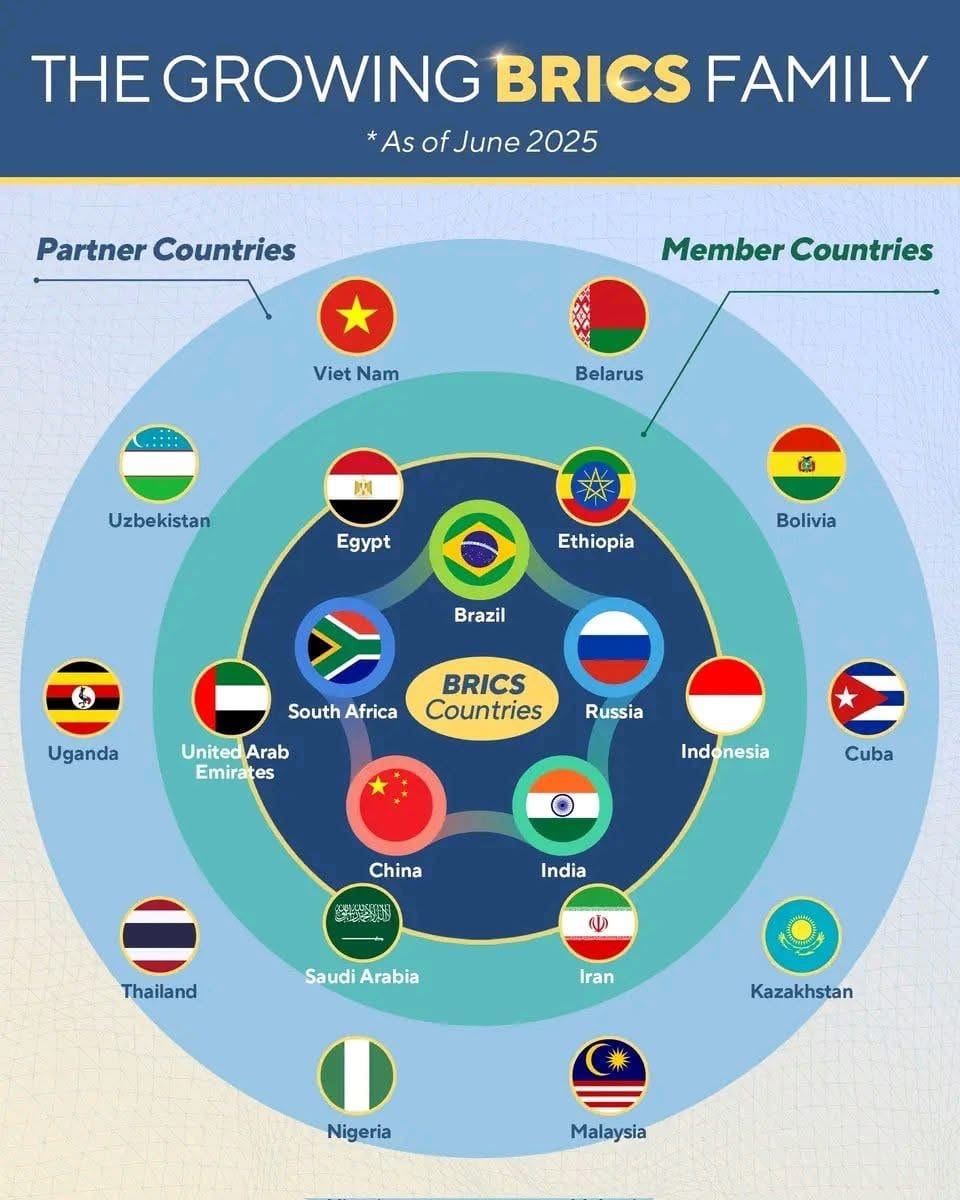
Founded in 2006 by Brazil, Russia, India, and China, and later joined by South Africa in 2011, the BRICS bloc underwent a significant expansion in January 2024, with the inclusion of Egypt, Ethiopia, Iran, Saudi Arabia, and the United Arab Emirates. With Indonesia, a fellow founding member and a key partner in the digital economy, and a growing number of “partner countries,” including Nigeria and Uganda, the bloc governs over a large share of the world’s population and GDP. By resolving to formally submit its application, Ghana has resolved to become a critical participant in this dynamic alternative order.
Comments
Join the conversation. Please keep it respectful.
No comments yet — be the first to share your thoughts.