
Four Years is Too Short: Former President Kufuor Defends NDC's 5-Year Mandate Push for Ghana

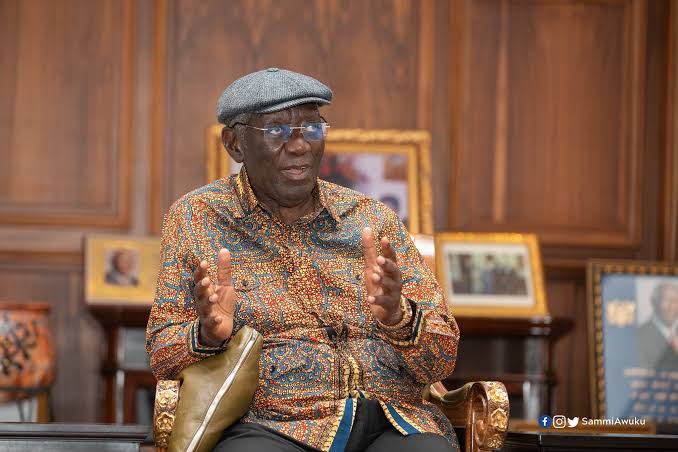
Former President John Agyekum Kufuor has broken ranks with his party, the New Patriotic Party (NPP), by publicly backing proposals to extend Ghana's presidential term from four to five years. The elder statesman re-ignited a long-standing constitutional debate, arguing that the current four-year system does not give governments enough time to successfully execute their development agendas.
Speaking in an exclusive interview with Evans Mensah on JoyNews' PM Express, Kufuor explained that his position is rooted in practical governance experience rather than political convenience. He noted that a newly elected administration in a developing nation spends its first few years settling into office, leaving very little room to execute transformative policies before the next election season begins.
According to Kufuor, a five-year tenure offers a more efficient structure for national progress. Under his proposed model, an administration would focus entirely on national development and infrastructure projects for the first four years, leaving the fifth and final year dedicated primarily to electioneering and democratic campaigns.
The former leader's remarks stand in stark contrast to the official stance of the governing NPP. The party formally rejected the proposed extension, maintaining that the Ghanaian public overwhelmingly prefers to retain the traditional four-year mandate. The Constitutional Review Committee, led by Professor Henry Kwasi Prempeh, also recently observed that nationwide consultations indicated "no public demand or political appetite" for expanding the executive timeline.
Addressing the friction between his personal views and the party’s platform, Kufuor remained unphased. He acknowledged that while the NPP has every right to its opinion, he stands firmly by his convictions, which he first officially introduced during his final State of the Nation Address before leaving office.
The debate also touched on the dangers of overextending executive power. Kufuor clarified that he remains a firm believer in the strict two-term limit to prevent autocracy. He warned that when individuals hold onto power for too long, it can alter their perspective, leading to the absolute corruption that historical precedence frequently cautions against.
Constitutional experts and civil society groups have long weighed the financial and structural impacts of Ghana’s frequent election cycles. Millions of dollars are spent by both the state and major political entities every four years to organize polls, leading some analysts to agree with Kufuor that the current framework is economically draining for a young economy.
As the discourse unfolds, Kufuor’s commentary continues to command significant respect across the political spectrum. Whether the ongoing constitutional review will adopt these structural transformations or maintain the status quo remains a pivotal question for the future of Ghana's democratic governance.
Comments
Join the conversation. Please keep it respectful.
No comments yet — be the first to share your thoughts.