
DVLA Rolls Out RFID-Enabled Smart Plates and High-Tech Cloning Detection Network


The Driver and Vehicle Licensing Authority (DVLA) has introduced RFID-enabled number plates and a vehicle cloning detection system as part of measures to strengthen vehicle identification, prevent registration fraud and improve security.
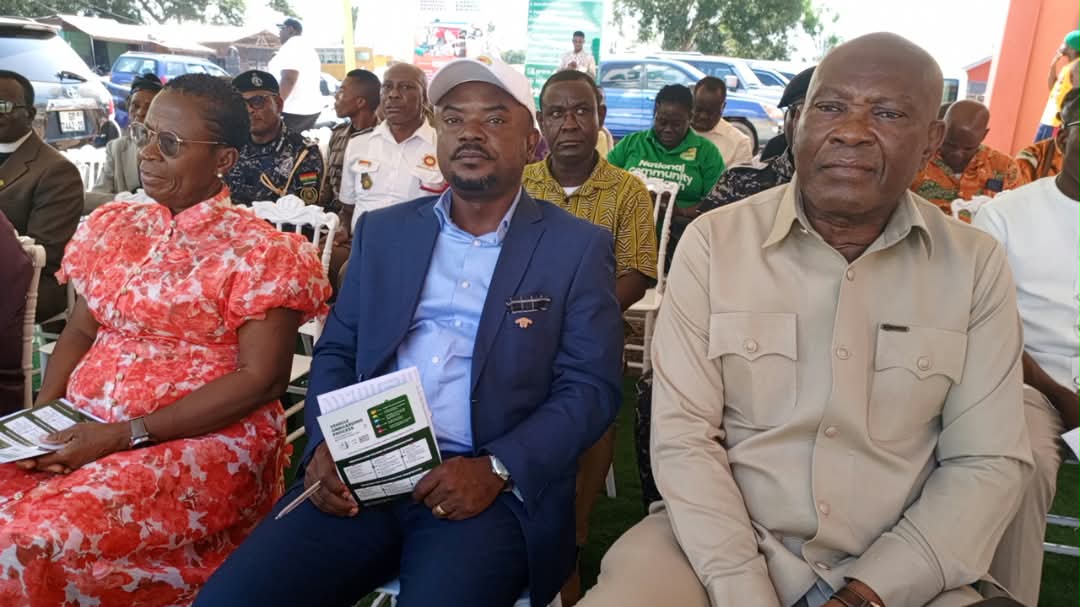
The Deputy Chief Executive Officer of the DVLA in charge of Services, Lawyer Foster Akwasi Asante, announced this during the commissioning of the Authority's Ultra Centre at Kasseh in the Ada area.
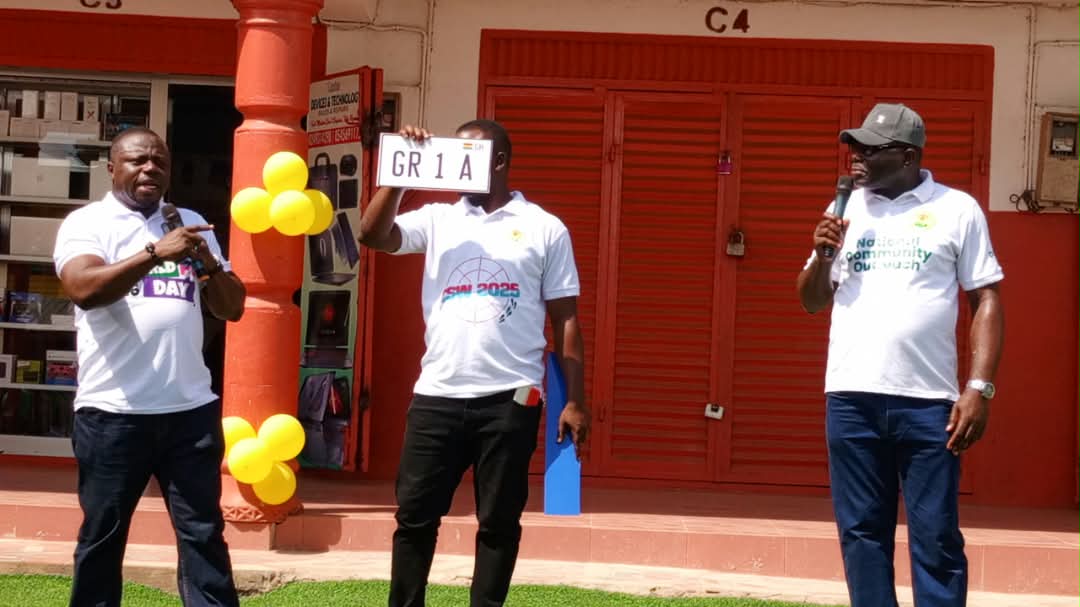
Explaining the RFID-enabled number plate system, Mr Asante said the new plates would contain electronic chips designed to hold information and details relating to vehicle ownership. He said the system would make registration numbers personal to their assigned owners, allowing them to retain ownership of the numbers for life, subject to the conditions established by the Authority.
According to him, when a vehicle owner sells a vehicle, the assigned registration number would be deactivated, while the new owner would be issued a different number.
He explained that if the former owner acquired another vehicle of the same category within five years, the original number could be reactivated after the necessary registration procedures and verification.
However, where the owner failed to acquire another vehicle within the five-year period, the registration number would return to the Authority's pool and could be assigned to another person.
He compared the arrangement to the use of a SIM card, explaining that just as a mobile phone user can remove a SIM card from one device and insert it into another, vehicle owners would be able to retain their assigned registration numbers when acquiring another qualifying vehicle.
Mr Asante also announced the introduction of a vehicle cloning detection system to help the Authority identify vehicles carrying duplicated or fraudulent registration details.
He said the DVLA had observed instances where individuals duplicated vehicle registration numbers or tampered with chassis numbers to register vehicles fraudulently. He explained that some offenders cloned the chassis numbers of legitimately imported vehicles and used them to register other vehicles before the genuine owners completed the importation process.
According to him, this sometimes resulted in genuine vehicle owners arriving at DVLA offices only to be informed that their vehicles had already been registered. He said the new detection system would enable officials to access a vehicle's history, manufacturer's details and original chassis number to establish its authenticity.
The technology, he added, would help the Authority identify cloned vehicles and prevent fraudulent registration.
The Deputy CEO said the innovations formed part of a number of reforms introduced by the current executive management, which assumed office in February 2025, with support from management.
He expressed confidence that the reforms would strengthen the DVLA's operations, improve vehicle identification and protect legitimate vehicle owners against fraudulent practices.
Comments
Join the conversation. Please keep it respectful.
No comments yet — be the first to share your thoughts.