
Ada Salt Fortification Row: FDA Warns Producers of GH¢25,000 Penalty Over Non-Compliant Salt

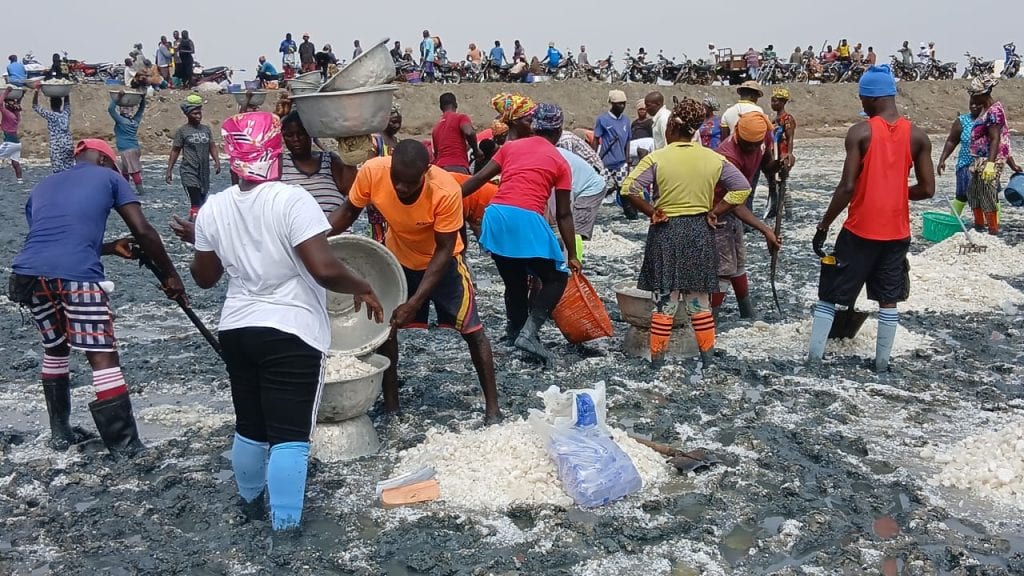
ADA, Ghana — The Ada West District Assembly (AWDA), in collaboration with the Food and Drugs Authority (FDA), has engaged artisanal salt producers in the Ada enclave over concerns about the cost of salt iodisation and compliance with national food safety regulations.
The stakeholder meeting, held on Thursday, October 8, 2026, brought together salt producers, industry associations and district officials to discuss the importance of salt fortification, the responsibilities of producers under the law and concerns surrounding the fees charged by Jenefal Farms and Industries Ltd, a company currently licensed to undertake salt iodisation in the area.
The engagement followed an earlier workshop organised on March 31 and April 1, 2026, to equip executives of the various salt-producing groups with the knowledge needed to train their members on producing safe, quality edible salt containing the required level of iodine.
However, difficulties faced by individual producers in procuring the necessary iodine for fortification led to the involvement of Jenefal Farms and Industries Ltd to support the process.
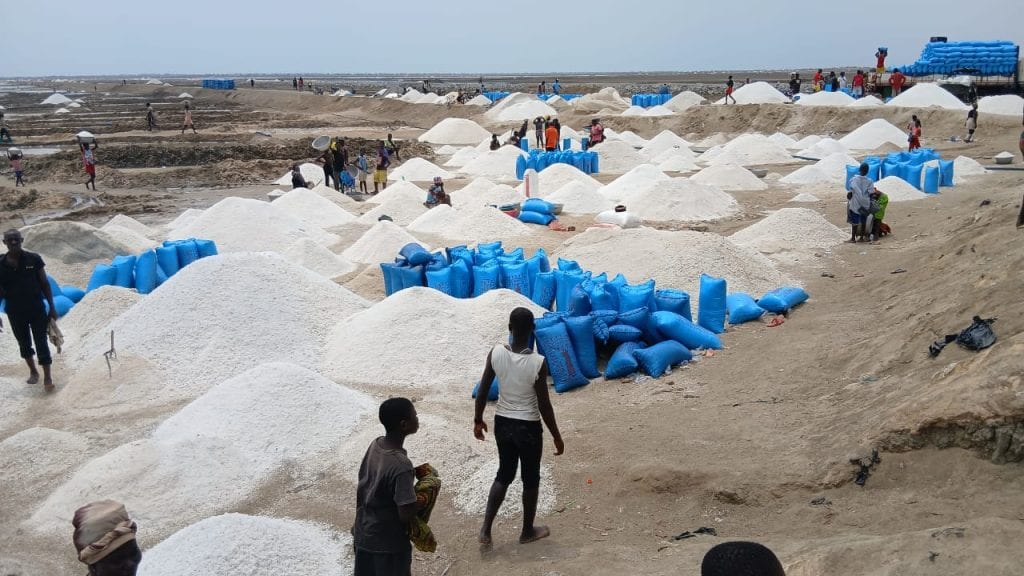
The arrangement has since generated concerns among some producers over the cost of the service and why they cannot be allowed to undertake the iodisation process themselves.
FDA clarifies producers' legal responsibilities -
The FDA delegation, led by its Director of Food Safety and Consumer Education, Mrs Maureen Lartey, clarified that salt producers were not compelled to engage Jenefal Farms and Industries Ltd or any other third party to iodise their products.
She stressed, however, that under the Public Health Act, 2012 (Act 851), producers were responsible for ensuring that salt manufactured for consumption contained the required level of iodine.
Mrs Lartey warned that producers could be held liable if salt transported from their production facilities failed to meet the required iodisation standards, cautioning them against assuming that buyers, aggregators or other intermediaries would bear that responsibility.
She therefore urged the various producer associations to resolve their concerns with Jenefal Farms and Industries Ltd while ensuring that their products complied with the law.
Mrs Lartey described salt iodisation as an important public health measure, explaining that adequate iodine intake supports human development and children's cognitive development.
She cautioned producers against compromising food safety standards and said the applicable financial penalty for non-compliance was currently GH¢25,000.
DCE warns of possible health and export implications -
The District Chief Executive for Ada West, Hon. Modjifa Tanihu J.J. Mills-Nkrumah, also highlighted the health risks associated with consuming salt that does not contain adequate iodine.
He further warned that salt exported from Ghana could face challenges if it failed iodisation tests at its final destination.
According to him, such incidents could damage the country's reputation and raise concerns among international public health institutions, including the World Health Organization (WHO).
The DCE said it would be unfortunate for Ada, an area widely associated with salt production, to become linked to the export of salt that failed to meet the required standards.
He urged producers to comply with the relevant regulations and ensure that the area's salt industry remained a source of economic safe haven.
Comments
Join the conversation. Please keep it respectful.
No comments yet — be the first to share your thoughts.